
Environmental storytelling is all about designing a world to show rather than tell how people live or lived in that world. It can also apply to plants an animals and the way they live and interact with their ecosystems. Even though this is a subtle way of telling a story, it’s important because it takes a world in a book, movie, or game to a higher level of immersion that inspires people to fall in love with the world you’ve created.
Where do I use environmental storytelling?
You can use this kind of storytelling in any medium from video games, where I use it most, to animation, and even novels. Within those mediums, you use environmental storytelling to reveal deeper secrets and truths about the places the protagonist visits. Whether that’s a house, a factory, a swamp, the moon, or another planet.
For me, the most common medium I use to tell a story is video games. This is a great fit for that kind of storytelling because many games don’t have a story. This especially applies to retro games. I love it when a game just lets me pick up and play. With environmental storytelling, I can let the player pick up and play while still adding depth to the story and world.
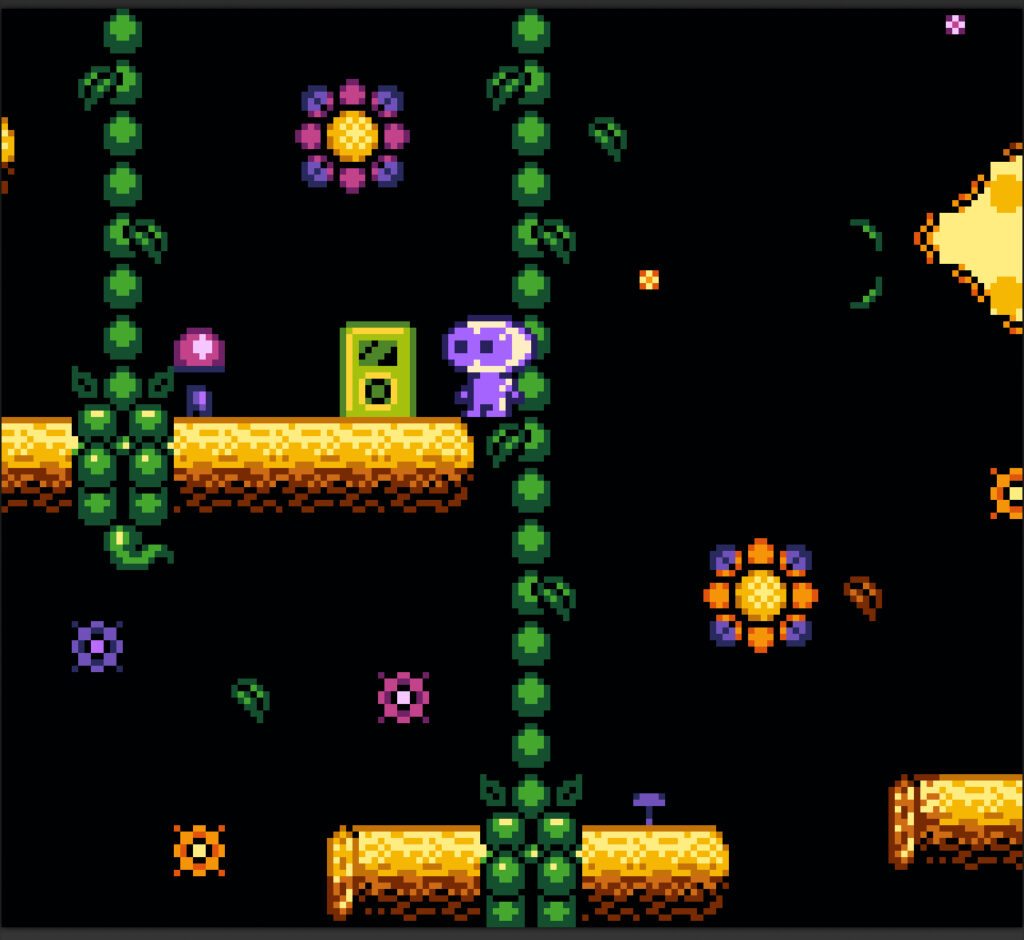
What makes environmental storytelling cool?
It’s easily my favorite way of telling a story because it’s all ambient and about discovery and wondering rather than being told or shown what’s going on. Every piece of information you gain from environmental storytelling is in an act of noticing the world around you. Rather than the storyteller’s pace, you are the one who chooses when and where to notice the environment and its story.
Also, like when Lisa Simpson said “Listen to the note’s he’s not playing” about a jazz musician, environmental storytelling is often about the absence of something or someone, or the ways the current pieces fit together rather than the simple appearance of an environment. The goal is to create something that’s more than skin deep.
So how do I do this successfully?
When I build my environments, I ask myself some questions about the place I’m working on. What would be there? Who were the people who would’ve been in that environment? What would they have brought to that environment? If it was a long time ago, what did they leave behind? Did they leave suddenly or slowly?
All of that gets me started answering the question of what would be in an environment when the player is there. And it answers the whys of why the things, people, critters, etc are there at the same time the player is. It also greatly helps me figure out what kinds of interactions will take place in that environment, if it’s dangerous or safe, and what the aesthetic should look like.
There’s also a more ecological type of environmental storytelling I enjoy too. What is this ecosystem? What resources are there for plants and animals to use? How would they interact with each other?
Answering those questions is very fun for me, which is why I love environmental storytelling so much
Leave a Reply